
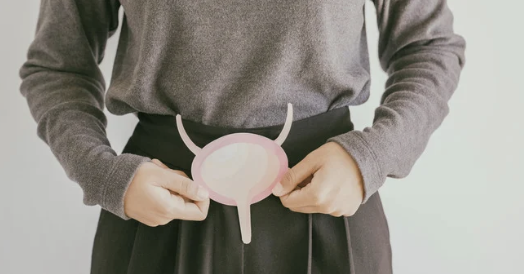

Bladder Leakage & Urinary Incontinence
Bladder leakage is incredibly common, but that doesn’t mean it’s something you simply have to put up with.
Urinary incontinence is the involuntary leakage of urine. It can look different for everyone — from a few drops when you cough, sneeze or exercise, to experiencing a sudden urge to urinate and not quite making it to the toilet in time.
There are different types of urinary incontinence and many possible contributing factors. Understanding when and why your leakage occurs is an important first step in determining what may help.
Bladder Leakage & Urinary Incontinence: Why Am I Leaking Urine?
What Are the Different Types of Urinary Incontinence?
Not all bladder leakage is the same.
Stress urinary incontinence is leakage associated with an increase in pressure, such as when coughing, sneezing, laughing, jumping, lifting or exercising.
Urge urinary incontinence is leakage associated with a sudden or difficult-to-control urge to urinate. You may feel like you need to find a toilet immediately and sometimes leak before getting there.
Mixed urinary incontinence involves symptoms of both stress and urge incontinence.
Understanding which type of leakage you're experiencing can help guide your assessment and management.
Why Do I Leak When I Cough, Sneeze or Exercise?
When you cough, sneeze, jump, run or lift something heavy, pressure within your abdomen increases.
Your pelvic floor, abdominal muscles and surrounding structures work together to respond to these changes in pressure and support bladder control.
If this system isn't managing the load effectively, urine leakage may occur.
This doesn't necessarily mean your pelvic floor is simply "weak." Strength, coordination, timing, muscle tension, breathing, movement and the demands you're placing on your body can all be relevant.
Is Bladder Leakage Normal After Having a Baby?
Bladder leakage is common during pregnancy and after childbirth, but common doesn't mean you have to ignore it.
Pregnancy and birth can influence the pelvic floor and surrounding tissues, and some people notice leakage for the first time when returning to running, jumping, lifting or other higher-impact activities postpartum.
If bladder leakage continues or is stopping you from doing the things you want to do, a pelvic health assessment can help identify factors that may be contributing.
Does Bladder Leakage Mean My Pelvic Floor Is Weak?
Not always.
This is one of the biggest misconceptions we hear about urinary incontinence.
Some people may benefit from improving pelvic floor strength, but others may have difficulty coordinating their pelvic floor, relaxing it appropriately or responding to changes in pressure.
A pelvic floor that is already holding too much tension isn't necessarily a pelvic floor that simply needs more strengthening.
This is why an individual assessment can be helpful before starting a generic pelvic floor exercise program.
Should I Just Do Kegels for Bladder Leakage?
Pelvic floor strengthening exercises — often called Kegels — can be useful for some types of urinary incontinence when they are appropriate for the individual and performed correctly.
However, pelvic floor rehabilitation isn't always just about squeezing harder.
Depending on your presentation, management may involve strength, endurance, coordination, relaxation, breathing, pressure management, bladder habits and gradually preparing your body for the activities that cause your symptoms.
The right approach depends on how your pelvic floor is functioning, rather than the presence of leakage alone.
Changes during perimenopause and menopause can influence bladder, urethral and pelvic health.
Some people notice new or changing symptoms such as urinary urgency, frequency, recurrent urinary tract infections or bladder leakage during this stage of life.
Pelvic floor function is only one part of this picture, so management may involve pelvic health care alongside assessment and treatment from your GP or other healthcare professionals where appropriate.
Can Menopause Cause Bladder Leakage?
Can I Exercise if I Have Urinary Incontinence?
For many people, yes.
Experiencing bladder leakage doesn't automatically mean you need to stop exercising.
Instead, it can be helpful to understand which activities trigger your symptoms, why they're occurring and what your body may need to better manage those demands.
Pelvic health rehabilitation can be tailored towards your goals, whether that's returning to walking, the gym, Pilates, running, jumping, sport or another activity that's important to you.
How Can Pelvic Health Care Help With Bladder Leakage?
A pelvic health assessment looks beyond the symptom of leakage itself.
Depending on your individual presentation, assessment and management may consider:
Your bladder habits and symptoms
Pelvic floor strength, endurance, coordination and relaxation
Breathing and pressure management
Exercise and movement
Pregnancy and birth history
Bowel function and constipation
Fluid and toileting habits
Menopause and hormonal changes
Other medical factors that may be contributing
Your management plan may then include pelvic floor rehabilitation, bladder strategies, education, exercise or movement advice and referral to other healthcare professionals where appropriate.
When Should I Seek Help for Bladder Leakage?
If bladder leakage is affecting your exercise, work, social activities, sexual health or confidence, it's worth seeking advice.
You also don't need to wait until your symptoms become severe. Even occasional leakage can be discussed with a pelvic health practitioner if it's something you're concerned about.
New bladder symptoms accompanied by blood in the urine, difficulty emptying your bladder, recurrent urinary tract infections, significant pain or other concerning symptoms should be discussed with your GP or medical team.
Pelvic Health Care in Healesville & the Yarra Valley
At Yarra Valley Women's Health, our pelvic health osteopaths provide individualised assessment and management for bladder concerns including urinary incontinence, urgency, frequency and other pelvic floor symptoms.
Our approach is centred around helping you understand your body and giving you the knowledge and strategies to feel informed and empowered in your pelvic health care.